FIFA World Cup Trophy History: Who Owns and Keeps the Original Cup?
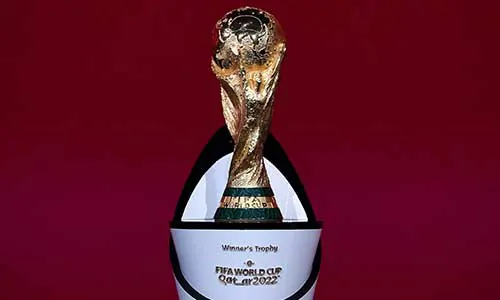
The FIFA World Cup is arguably the most prestigious sporting event on the planet. Every four years, billions of football fans tune in to watch national teams battle for ultimate glory. Yet, beyond the goals, tactical masterclasses, and player celebrations, one icon stands above all: the golden trophy itself. For football enthusiasts and historians alike, understanding the FIFA World Cup Trophy History: Who Owns and Keeps the Original Cup? reveals a captivating tale filled with artistic triumph, mysterious thefts, and incredibly strict ownership rules.
Historically, the physical prize representing world football dominance has undergone significant transformations. From its early days as the Jules Rimet Cup to the modern, iconic golden sculpture, the trophy remains a symbol of ultimate sporting achievement. In this comprehensive guide, we will dive deep into the fascinating history of this legendary award and answer the burning question of who actually gets to keep the original masterpiece.
Table of Contents
- The Evolution of World Cup Trophies
- FIFA World Cup Trophy History: Who Owns and Keeps the Original Cup?
- Where is the Original Trophy Kept Permanently?
- What Do World Cup Winners Actually Take Home?
- Jules Rimet vs. Modern FIFA World Cup Trophy
- The Dramatic History of Thefts and Security Measures
- Design, Material, and Value of the Modern Trophy
- The Future of the Trophy: What Happens in 2038?
- Frequently Asked Questions (FAQ)
The Evolution of World Cup Trophies
To fully appreciate the narrative surrounding the tournament’s top prize, we must look at the two distinct eras of its physical design. The tournament has not always used the famous golden globe model we see today. Instead, the trophy has a dual identity divided by the pivotal year of 1970.
The first chapter belongs to the Jules Rimet Trophy. Originally named “Victory,” this initial cup was later renamed to honor Jules Rimet, the visionary FIFA President who helped initiate the World Cup tournament in 1930. Designed by French sculptor Abel Lafleur, the trophy depicted Nike, the ancient Greek goddess of victory, holding an octagonal cup aloft. It was made of gold-plated sterling silver and lapis lazuli.
The second chapter began in 1974 with the introduction of the current FIFA World Cup Trophy. After Brazil permanently claimed the Jules Rimet Trophy in 1970, FIFA commissioned a brand-new design for the 1974 tournament in West Germany. This ushered in the modern era of the trophy, featuring a design that emphasizes global unity and modern artistic craftsmanship.
FIFA World Cup Trophy History: Who Owns and Keeps the Original Cup?
When discussing the FIFA World Cup Trophy History: Who Owns and Keeps the Original Cup?, the answer to the ownership question is incredibly straightforward. According to official FIFA regulations, the original trophy is owned exclusively by FIFA. Unlike many other sports tournaments where the winning team keeps the actual trophy until the next season, FIFA maintains permanent possession of the authentic golden masterpiece.
This was not always the case under the old rules of the Jules Rimet Trophy. In the early days, FIFA had a regulation stating that any nation winning the tournament three times would earn the right to keep the original trophy forever. Brazil achieved this milestone in 1970 by winning their third title in Mexico, having previously won in 1958 and 1962. Consequently, FIFA awarded the original Jules Rimet Trophy to the Brazilian Football Confederation (CBF) permanently.
However, after relinquishing the original Jules Rimet Trophy, FIFA realized that allowing nations to permanently keep the original prize was unsustainable and highly risky. Therefore, when the new trophy was introduced in 1974, the rules were fundamentally changed. Under the current statutes, the original FIFA World Cup Trophy cannot be won outright or kept permanently by any nation, regardless of how many times they win the tournament.
Where is the Original Trophy Kept Permanently?
If the winning nation is not allowed to take the authentic trophy home, where does it live? The original, solid-gold FIFA World Cup Trophy resides at the official FIFA Museum in Zurich, Switzerland. It is kept under extremely tight security, displayed to the public under specialized bulletproof glass with constant monitoring.
The original trophy only leaves its secure home in Zurich under highly controlled circumstances. These rare occasions include:
- The official FIFA World Cup Trophy Tour, which travels to various countries ahead of the tournament.
- The opening match of the FIFA World Cup tournament.
- The final match of the tournament, where it is presented on the pitch to the winning team.
- Official FIFA draw ceremonies and high-profile media events.
During these travels, the trophy is transported in a custom-designed Louis Vuitton travel case, guarded by specialized security details at all times. Once the final whistle blows and the initial celebrations on the pitch are complete, the original trophy is safely escorted back to Switzerland.
What Do World Cup Winners Actually Take Home?
While the champions do get to hoist the authentic solid-gold trophy during the post-match ceremony, they do not leave the stadium with it. Instead, before departing the venue, the winning team is presented with a replica. This replica is officially known as the FIFA World Cup Winner’s Trophy.
This official replica is identical in shape to the original but is not made of solid gold. While the original is highly valuable and made of 18-karat solid gold, the replica is made of bronze and is gold-plated. This replica is what the winning national football association takes back to their home country for celebratory parades, public exhibitions, and permanent display in their national headquarters.
This system ensures that the historical integrity of the primary trophy remains intact, while still providing the champions with a beautiful, permanent physical reminder of their monumental sporting achievement.
Jules Rimet vs. Modern FIFA World Cup Trophy
Understanding the transition between the two trophies requires looking at their distinct physical and historical differences. Below is a detailed comparison of the two iconic awards:
| Feature | Jules Rimet Trophy (1930–1970) | FIFA World Cup Trophy (1974–Present) |
|---|---|---|
| Designer | Abel Lafleur (France) | Silvio Gazzaniga (Italy) |
| Depiction | Greek goddess Nike holding an octagonal cup | Two human figures holding up the Earth |
| Materials | Gold-plated sterling silver, Lapis Lazuli base | 18-karat solid gold, Malachite bands at the base |
| Weight | 3.8 kilograms (8.4 lbs) | 6.175 kilograms (13.6 lbs) |
| Height | 35 centimeters (14 inches) | 36.5 centimeters (14.4 inches) |
| Current Status | Stolen in 1983; widely believed to be melted down | Safely kept in the FIFA Museum (Zurich) |
The Dramatic History of Thefts and Security Measures
The historical timeline of the World Cup trophy is filled with dramatic events. Indeed, the extreme value and symbolic power of the prize have made it a prime target for thieves over the past century. These security breaches are a major reason why FIFA implemented the incredibly strict ownership and display rules we see today.
The first major security scare occurred in 1966, just months before the tournament was set to begin in England. While on public display at Methodist Central Hall Westminster, the Jules Rimet Trophy was stolen despite round-the-clock security. The theft sparked a massive investigation by Scotland Yard. Luckily, a few days later, a mixed-breed dog named Pickles discovered the wrapped trophy sniffed out under a garden hedge in South London. This dramatic event cemented Pickles’ place in football folklore.
Unfortunately, the story of the original Jules Rimet Trophy did not end happily. In 1983, thirteen years after Brazil had been granted permanent custody of the original cup, thieves broke into the Brazilian Football Confederation headquarters in Rio de Janeiro. They overpowered a night guard and stole the iconic trophy. Despite an exhaustive investigation, the original Jules Rimet Trophy was never recovered. Most experts believe the thieves melted the gold down into bullion, destroying an irreplaceable piece of sports history forever.
To prevent similar disasters, the modern trophy is guarded with state-of-the-art security measures. Only a very select group of people, including heads of state and players who have won the tournament, are officially permitted to touch the original trophy with their bare hands. When handled by staff or organizers, protective white gloves must be worn to prevent natural hand oils from tarnishing the surface of the gold.
Design, Material, and Value of the Modern Trophy
Following the permanent transfer of the Jules Rimet Trophy to Brazil, FIFA held a design competition for a replacement. Artists from seven different countries submitted 53 distinct designs. Ultimately, the commission chose the design submitted by Italian sculptor Silvio Gazzaniga, who worked for the Bertoni manufacturing company in Milan.
Gazzaniga described his masterpiece with profound artistic vision: “The lines spring out from the base, rising in spirals, stretching out to receive the world. From the remarkable dynamic tensions of the compact body of the sculpture rise the figures of two athletes at the stirring moment of victory.” This design perfectly captured the athletic energy, joy, and global nature of the modern game.
The physical composition of the modern trophy is quite remarkable. It stands 36.5 centimeters (14.4 inches) tall and is crafted from 6.175 kilograms (13.6 pounds) of 18-karat (75%) solid gold. The base of the trophy features two distinct bands of green malachite, a beautiful semi-precious stone. Because the trophy is hollow on the inside, it is light enough to be lifted easily by celebratory athletes while remaining structurally sound and visually stunning.
In terms of monetary value, the raw gold alone is worth hundreds of thousands of dollars. However, given its immense historical and cultural significance, the actual appraised value of the original FIFA World Cup Trophy is estimated to be over $20 million USD, making it one of the most expensive sporting trophies in the world.
The Future of the Trophy: What Happens in 2038?
As we examine the FIFA World Cup Trophy History: Who Owns and Keeps the Original Cup?, it is also important to consider what the future holds for this prestigious prize. The base of the current trophy is engraved with the names of all winning nations since the 1974 tournament. The engraving is arranged in a circular format, listing the year and the name of the winning nation in the champion’s native language (for example, “1974 Deutschland” or “2022 Argentina”).
However, space on the base of the current trophy is not infinite. According to design experts, there is only enough space to engrave the names of the winning nations up until the centenary edition of the tournament in 2038. After the 2038 World Cup, the base will be completely filled with history.
It remains unclear what steps FIFA will take once the base is filled. Some sports historians speculate that FIFA may commission a brand-new trophy design to usher in a new era of global football. Alternatively, FIFA may choose to modify the existing base, perhaps adding a wider gold ring to accommodate future champions without compromising Silvio Gazzaniga’s original, timeless design. Regardless of what decision is made, the story of the trophy will continue to captivate future generations of football fans.
Frequently Asked Questions (FAQ)
1. Can any country keep the original FIFA World Cup Trophy permanently today?
No. Under current FIFA regulations, no country is permitted to keep the original trophy. FIFA remains the permanent owner of the authentic solid-gold trophy, while the winning nation receives a gold-plated replica to keep.
2. Why did Brazil get to keep the original Jules Rimet Trophy?
Under the old FIFA rules, any nation that won the World Cup three times was granted permanent ownership of the trophy. Brazil achieved this milestone in 1970 after winning titles in 1958, 1962, and 1970.
3. Is the current FIFA World Cup Trophy solid gold?
Yes, the original trophy is made of 18-karat solid gold. However, it is hollow on the inside. If it were completely solid throughout, it would weigh over 70 kilograms, making it far too heavy for players to lift during celebrations.
4. What happened to the original Jules Rimet Trophy after it was given to Brazil?
In 1983, the original trophy was stolen from the Brazilian Football Confederation headquarters in Rio de Janeiro. It was never recovered and is widely believed to have been melted down by the thieves for its gold value.
5. Who is allowed to touch the original FIFA World Cup Trophy?
Only an exclusive group of people are permitted to touch the authentic trophy. This group is strictly limited to winning players, coaching staff, heads of state, and authorized FIFA officials.
6. What is the estimated value of the original FIFA World Cup Trophy?
The original solid-gold trophy is estimated to be worth approximately $20 million USD, making it the most expensive trophy in the world of professional sports.
Conclusion and Final Thoughts
The journey of the World Cup prize is a captivating blend of athletic excellence, artistic creation, and historical drama. From the early triumphs of the Jules Rimet Trophy to the modern era of the solid-gold sculpture, the trophy has evolved into a symbol of global unity and sporting greatness. While the original remains safe in Switzerland under FIFA’s watchful eye, its allure continues to inspire players and fans across the globe.
If you enjoyed reading about the FIFA World Cup Trophy History: Who Owns and Keeps the Original Cup?, feel free to share this article with your fellow football fans! Let us know in the comments below who you think will lift the replica trophy at the next World Cup tournament. For more deep dives into football history, check out the official historical resources on Encyclopaedia Britannica.